Wednesday, 8 August 2012

Easter Island to Totegegie

DAY 19, LEG 81 - Easter Island to Totegegie

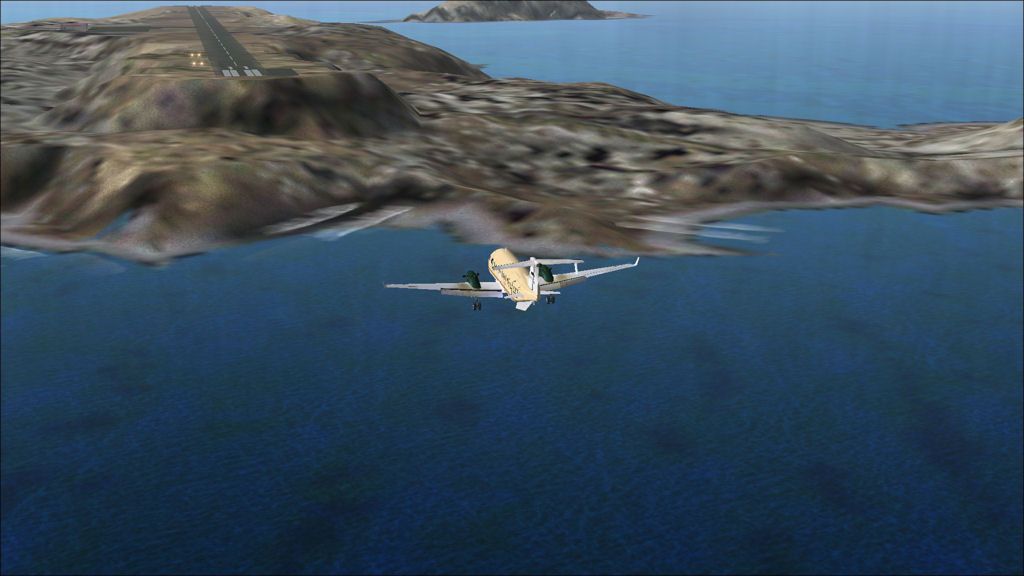
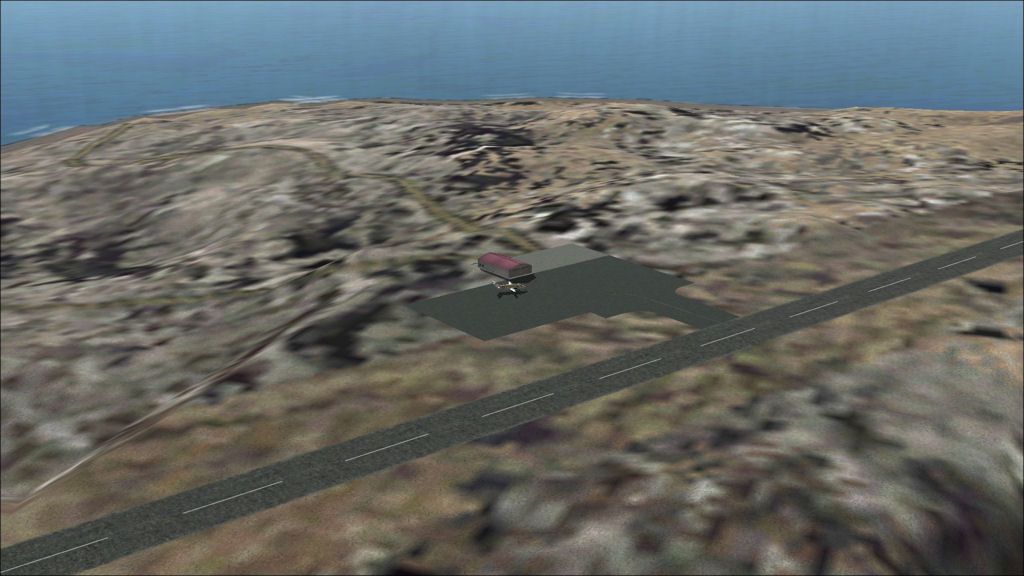
After a night on Easter Island, this leg is an early start in order to make as much progress across the Pacific as possible.  Accommodation is hard to come by at some of our planned destinations so we need to give ourselves as much time as possible to reach our overnight stops especially since many of our destinations have very basic unlit runways.  Totegegie is a small island that makes up part of the Gambier Islands in French Polynesia.  The airstrip serves the small town of Rikitea on Mangareva Island adjacent to the airport site.  It's only service is to Papeete by Air Tahiti and the airport only receives a few thousand passengers every year.

During flight planning it becomes clear that despite this leg being shorter than the previous one, it will be marginal as to whether the aircraft will have sufficient range given the headwinds forecast.  At FL250, the forecast headwind averages over 80 knots which gives a flight time of some 8 hours!  A lower level yields calmer wind, but higher fuel burn.  With the flight planning done, it is decided to head to the aircraft and depart as normal, monitoring fuel consumption carefully and making a decision whilst airborne whether we continue or return to Easter Island.

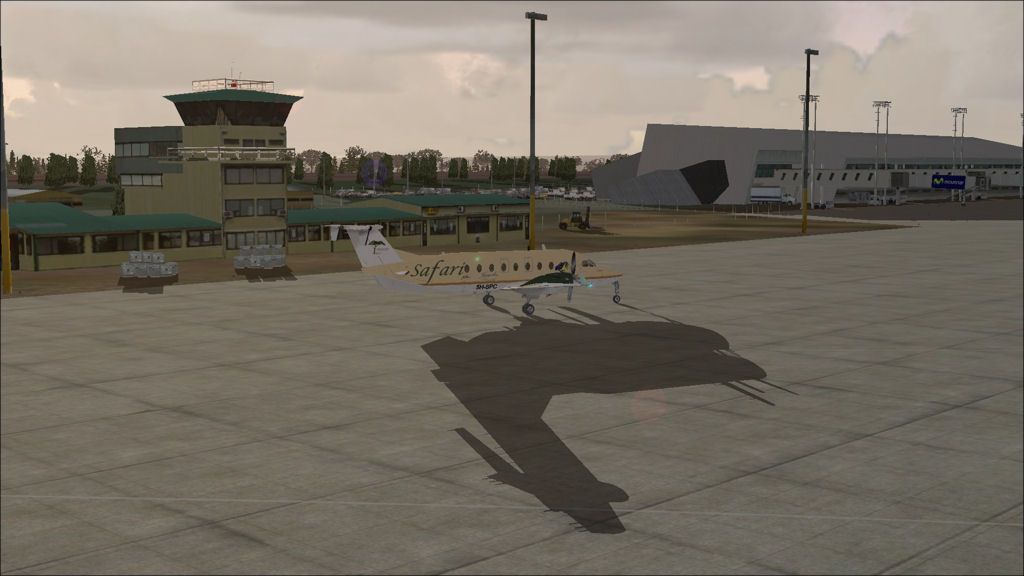
Ready to taxi.

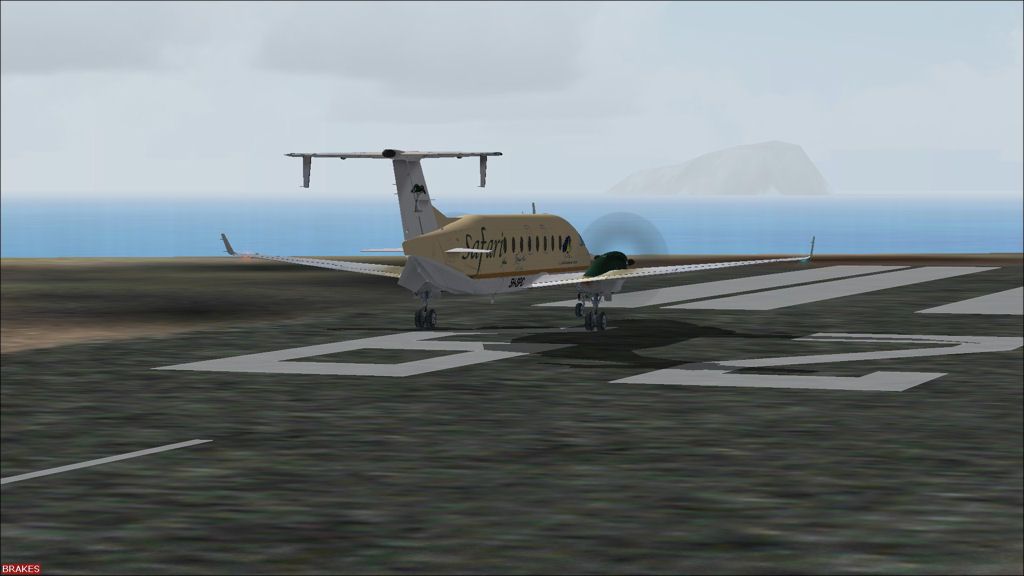
Departing runway 10.
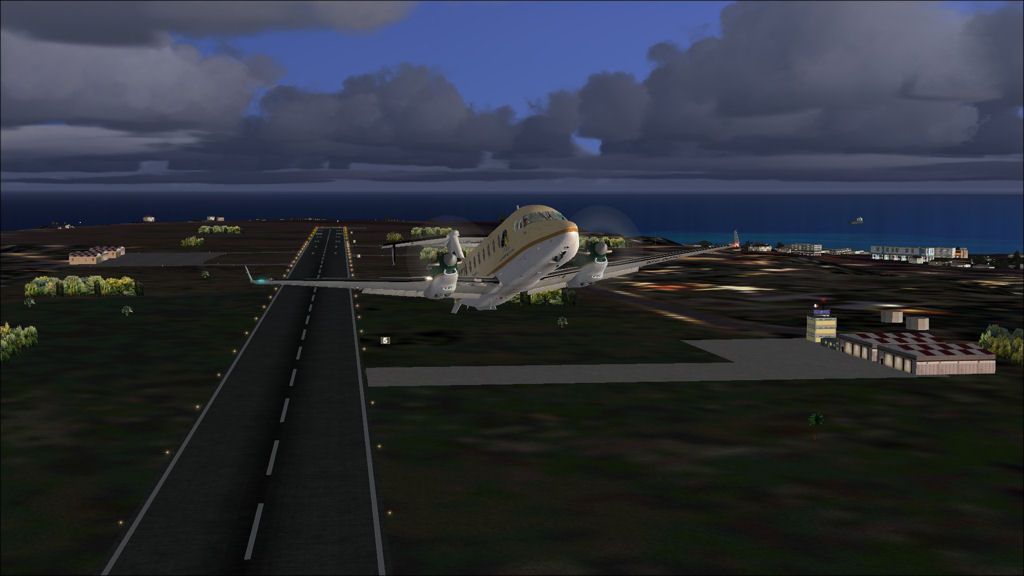
Airborne from runway 10.

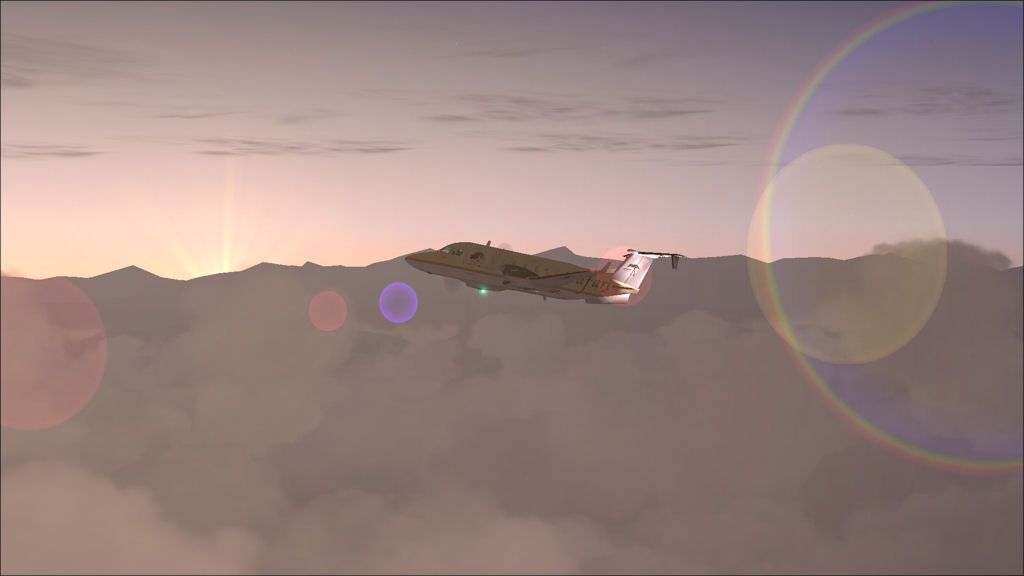
As we climb out the headwind starts to build.
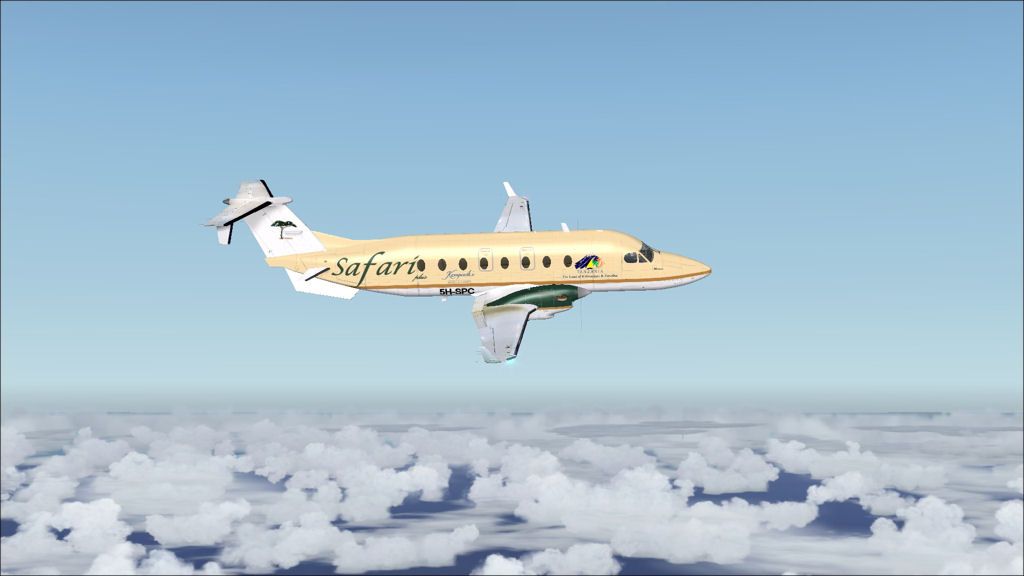
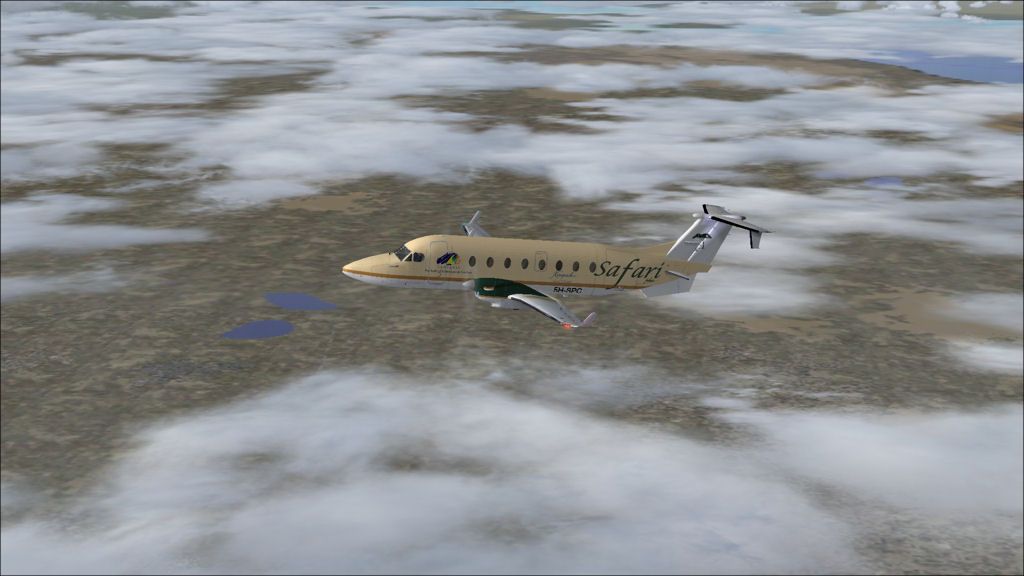
With 1200nm to go to Totegegie, it becomes clear that the 57kt headwind at FL190 means we will have 5 hours 40 minutes until we reach our destination.  With a fuel flow of 410kg / hr and 2212kg of fuel remaining we calculate an endurance of just 5:25.  The decision was made to return to Easter Island.
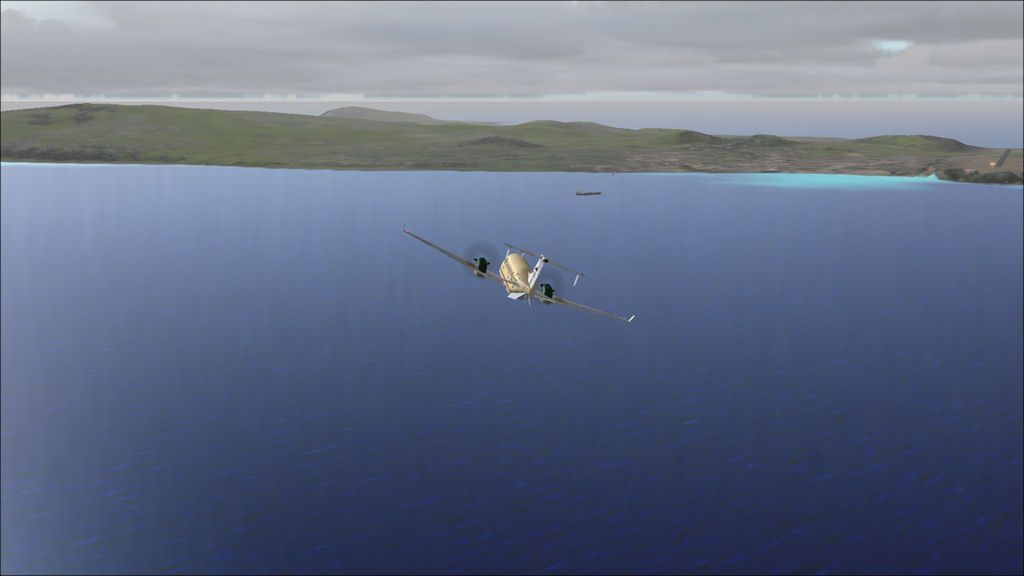
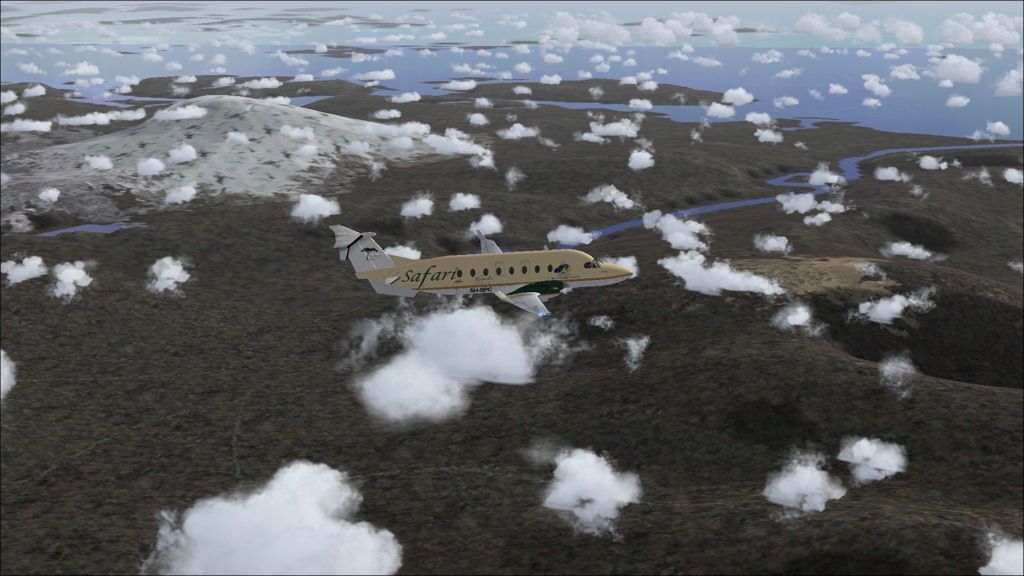
Approaching Easter Island once again.
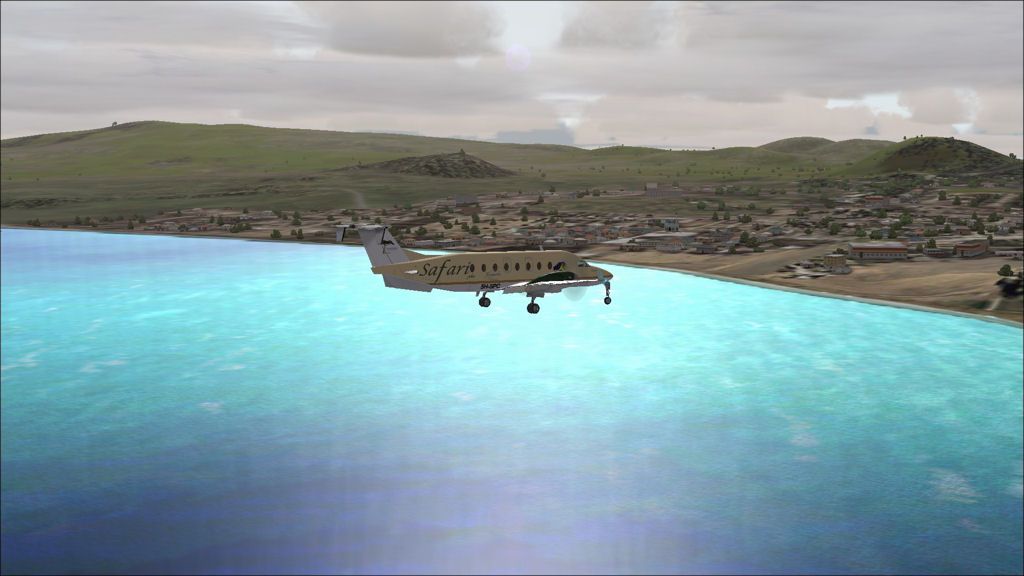
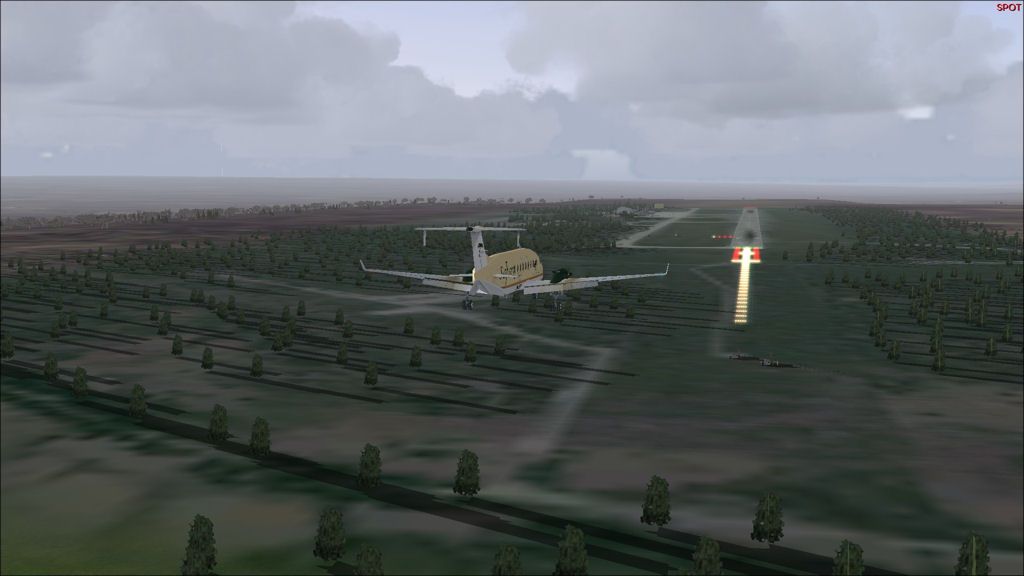
Final for runway 10 at Mataveri International Airport.  We will have to monitor the winds carefully and try again tomorrow.

SCIP - SCIP stats

Takeoff time:   0701
Landing time:   0835
Flight time:      01:34
Fuel used:        654kgs / 1439lbs

Monday, 6 August 2012

Isla San Felix to Easter Island

DAY 18, LEG 80 - Isla San Felix to Easter Island

This leg is easily the longest of the tour so far at 1570nm and takes us to the first Polynesian destination and signals the real start of the Pacific part of the tour.  The extra fuel capacity from the ferry tank will be necessary to make the over-water hop to Easter Island in the south Pacific.  The island's airport is served by LAN Airlines using a Boeing 767-300ER which connects Santiago, Easter Island, and Tahiti.  Easter Island is one of the remotest inhabited islands in the world.  It is on the limit of the B1900D's increased range and as such we will fly at FL270 in order to increase the range as much as possible.  Normally the service ceiling of the B1900D is FL250 but since we have no passengers on board we can climb a little higher than that.  On shorter legs it is hardly worth climbing above FL250, but where fuel consumption is so critical, FL270 gives a slight advantage on the extra-long legs.

Lined up at Isla San Felix.

Departing SCFX.

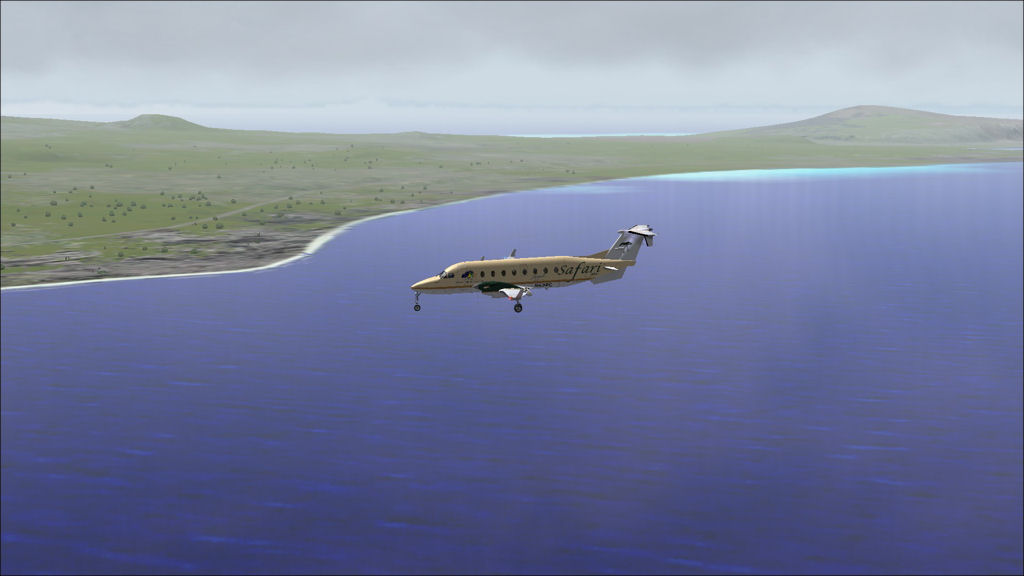
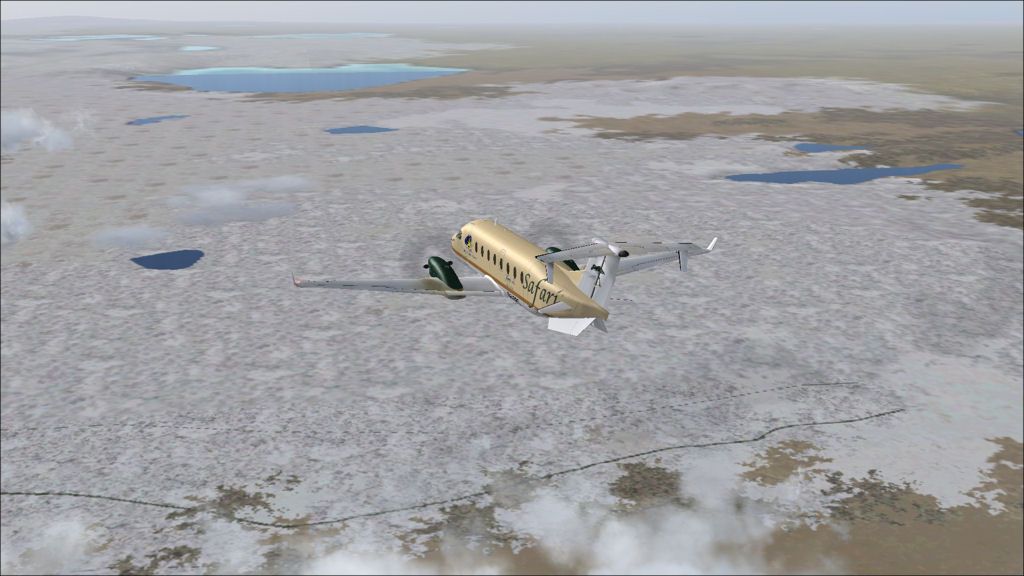
Feeling very isolated during the cruise with approximately 90 minutes left until we reach our destination.

Final approach.

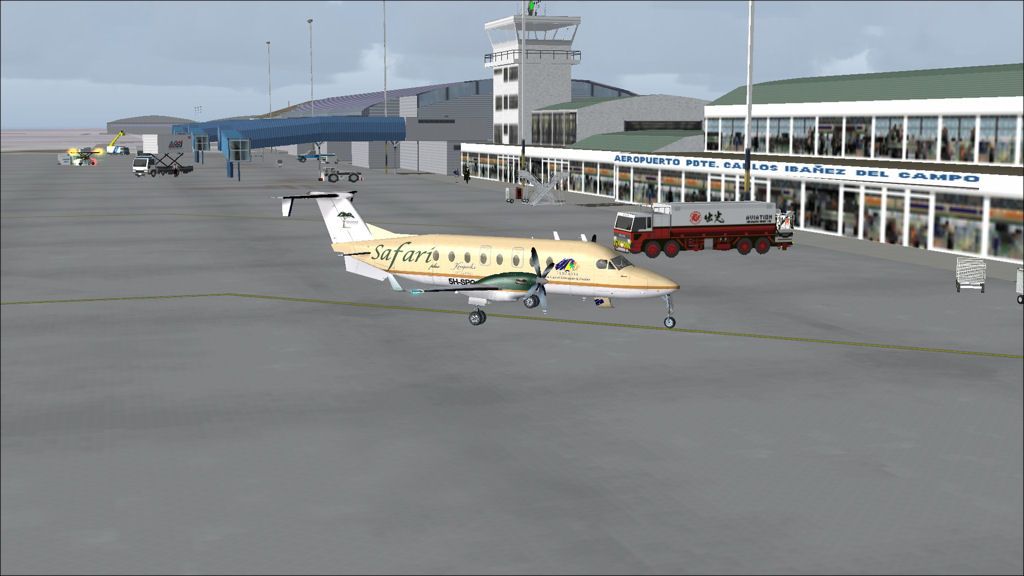
Parked at Easter Island's Mataveri International Airport.

SCFX - SCIP stats

Takeoff time:   0937
Landing time:   1338
Flight time:       06:01 (-2 hours time difference)
Fuel used:        2377kgs / 5229lbs
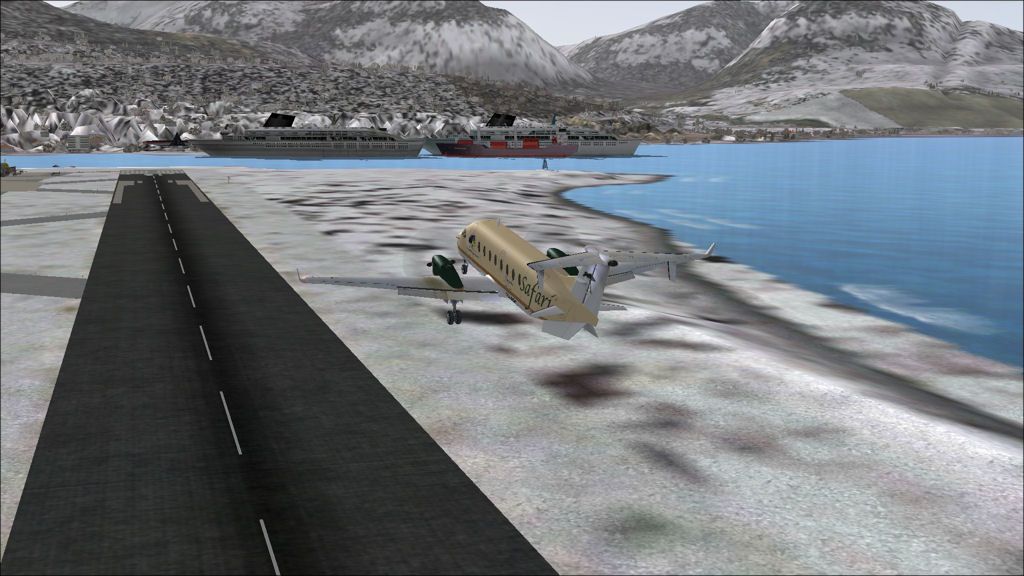
Progress report

Progress Report

South American legs progress


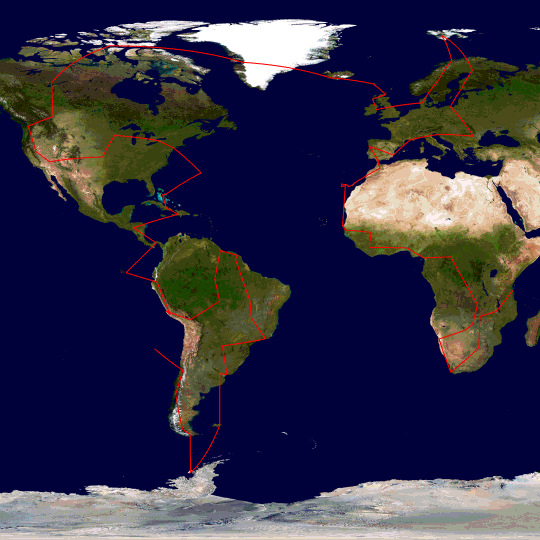
Progress for the tour so far


Legs:                79
Total time:       165:47
Total distance:  45744nm
Fuel used:         69758kgs / 153468lbs
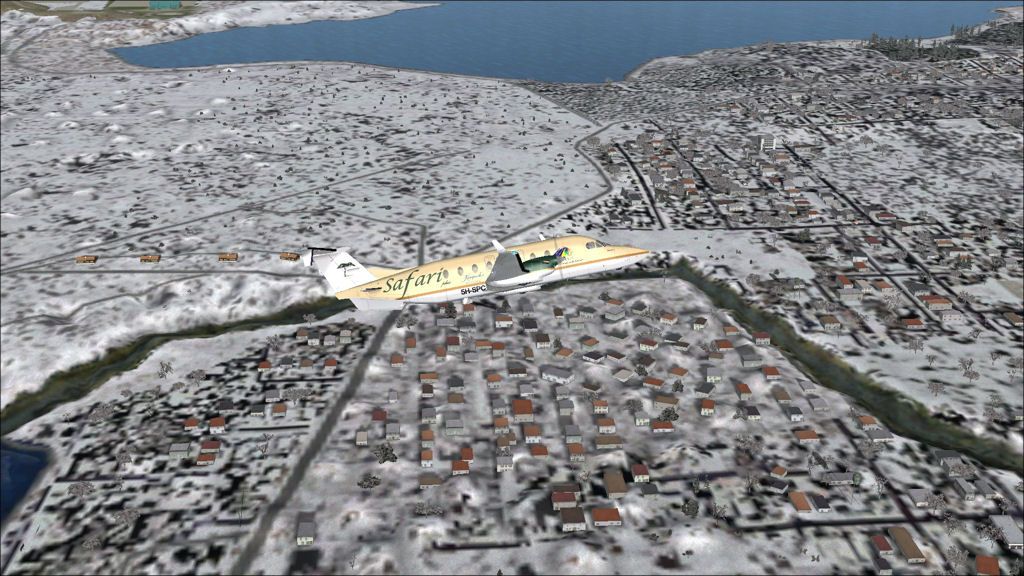
Santiago to Isla San Felix

DAY 18, LEG 79 - Santiago to Isla San Felix

After a day off in Santiago, we arrived early to pick up "SPC" fresh from maintenance and fitted with an auxiliary fuel tank.  Thanks to the hard work from the engineers the aircraft is well-prepared for the long Pacific crossing and the remote island hopping that will make up the next few days of our trip.  The first stop in the Pacific is on the Desventuradas islands and the Isla San Felix, home to a Chilean Naval Base.  The name "Desventuradas" is translated as "Unfortunate" and the only airport is located on the small island of San Felix.  Due to the remoteness of the island, fuel is scarce so the aircraft is filled up with the maximum 2634kgs of fuel for the next leg so we can land in Isla San Felix with as much fuel as possible to limit the amount we need to uplift for the long leg to Easter Island.

Parked outside the hangar at Santiago.

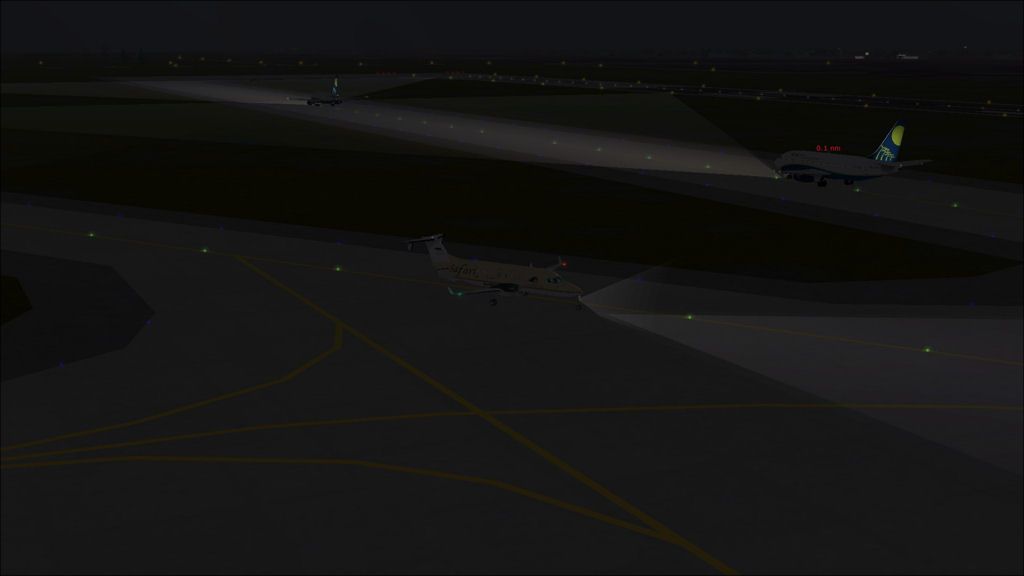
Taxiing out past two Sky Airline 737-200s.  One bound for Puerto Montt and the other to Copiapo in the Atacama Desert.

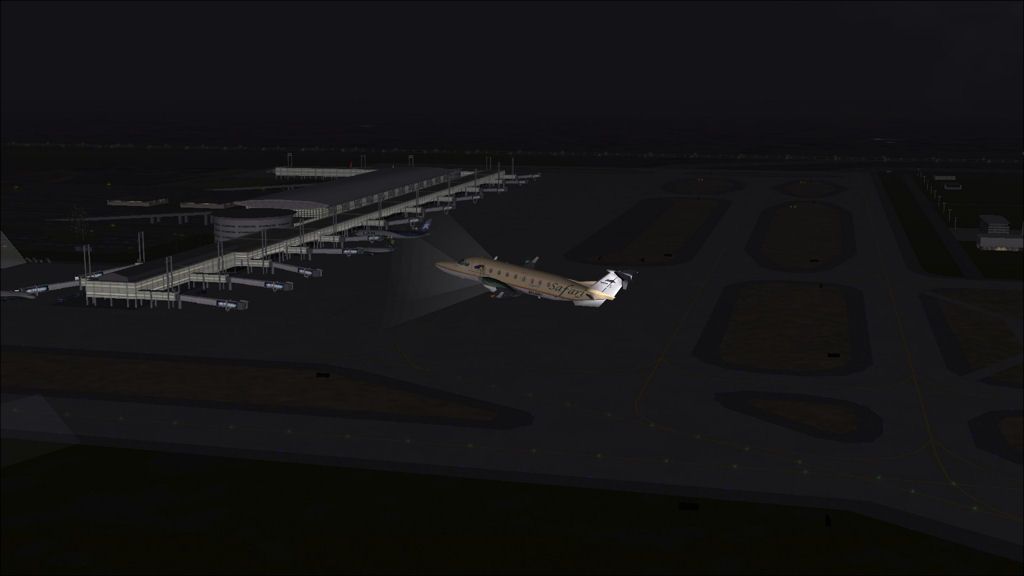
Taking off past the terminal at Santiago.

Climbing westbound with the Andes mountains in the background.

A 119kt headwind at FL250 is hindering our progress somewhat so a descent to FL200 is requested where the wind is slightly lighter.

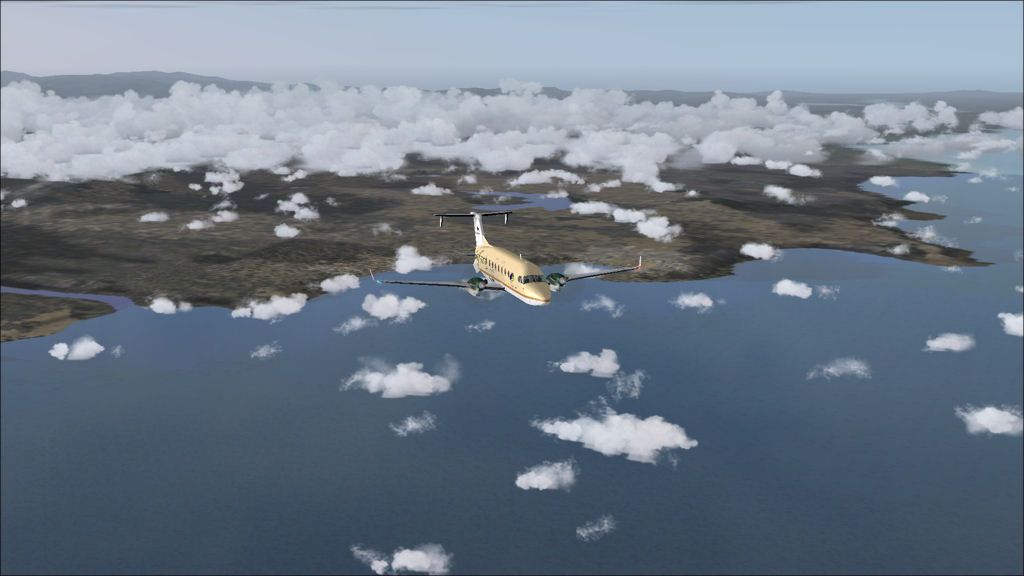
Leaving South America behind.

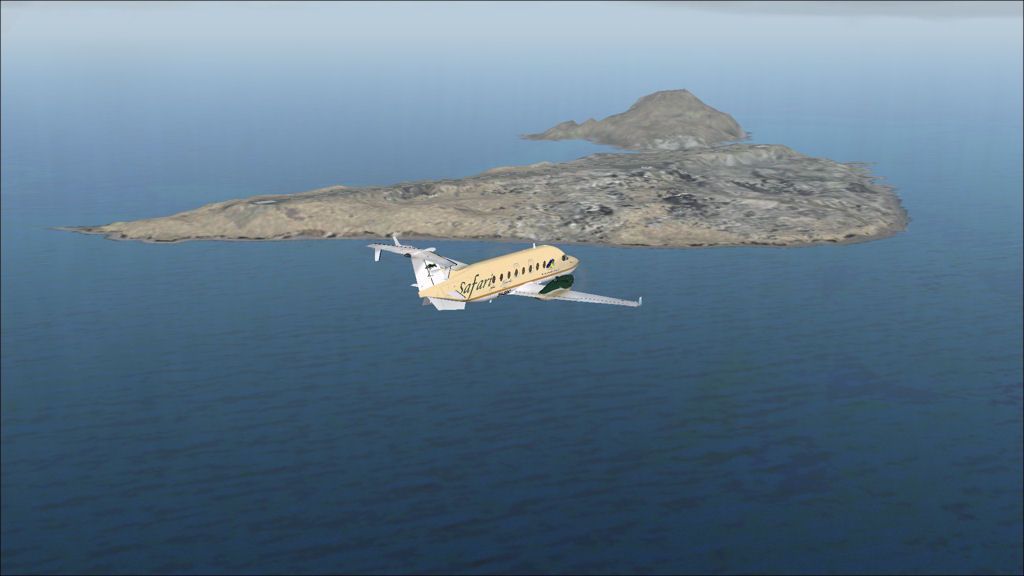
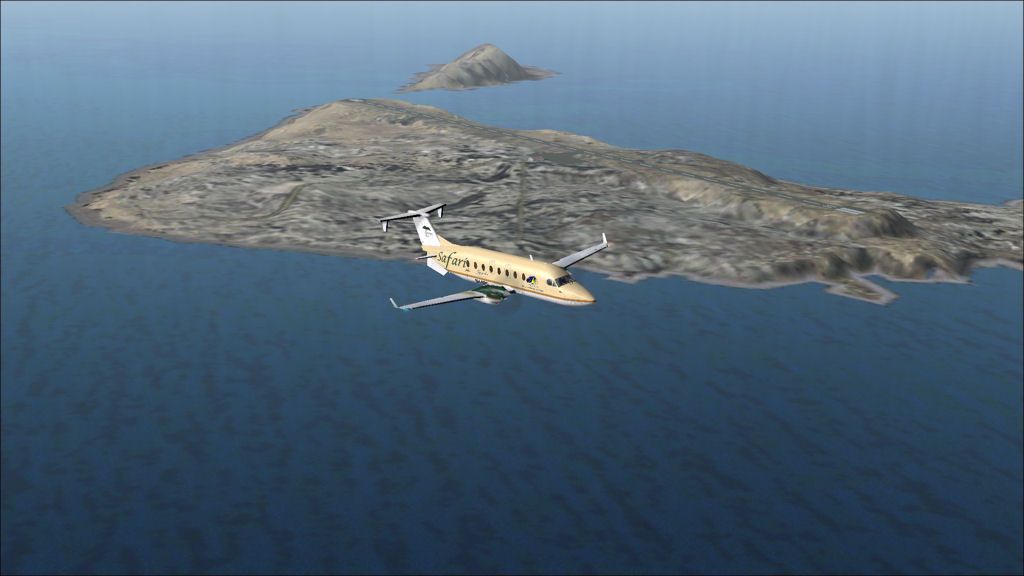
After a long overwater flight, the small island of San Ambrosio comes into view so we descend down to take a closer look.

San Ambrosio island as seen from the cockpit.

Isla San Felix.

Downwind for runway 11.

Final approach to the short, unpaved runway at the airport.

About to turn around and backtrack to the apron with San Ambrosio island in the distance.

Parked at the remote Isla San Felix Airport waiting to be refuelled.

SCEL - SCFX stats

Takeoff time:    0721
Landing time:   0915
Flight time:      02:54 (-1 hour time difference)
Fuel used:        1384kgs / 3045lbs
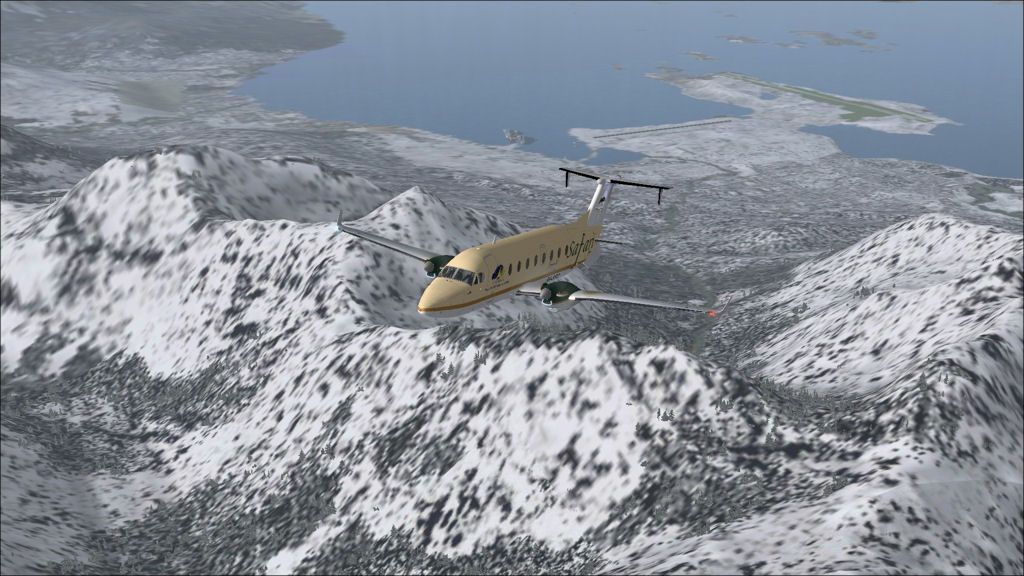
Puerto Montt to Santiago

DAY 16, LEG 78 - Puerto Montt to Santiago

This leg is the last one of the day and at the end of it we will deliver "SPC" to the LAN hangar at Santiago international airport for maintenance and the fitting of a ferry fuel tank.  The specialist Beechcraft maintenance facility in South America is in MaiquietaVenezuela but the parts and some specialists have been flown down to Santiago to fit the aircraft with the extra fuel tank, saving a diversion for the aircraft of several days.  The extra cost of the work being done in Chile was outweighed by the cost of carrying the extra fuel tank weight over the thousands of miles of our trip around South America.  After the Pacific crossing the use of the tank will be reviewed and a decision made whether it should be removed in Australia or kept in the aircraft for the longer legs in Asia.  The tank has a capacity of 600kgs of fuel, approximately 90 minutes of extra range for the aircraft.  We will be operating at a heavier weight, but still 50kgs under the Maximum Take Off Weight.  Only 100kgs of fuel will need to be used before we are under Max Landing Weight so there will not be any overweight landing issues unless we need an immediate return to the departure airport in the case of an emergency.
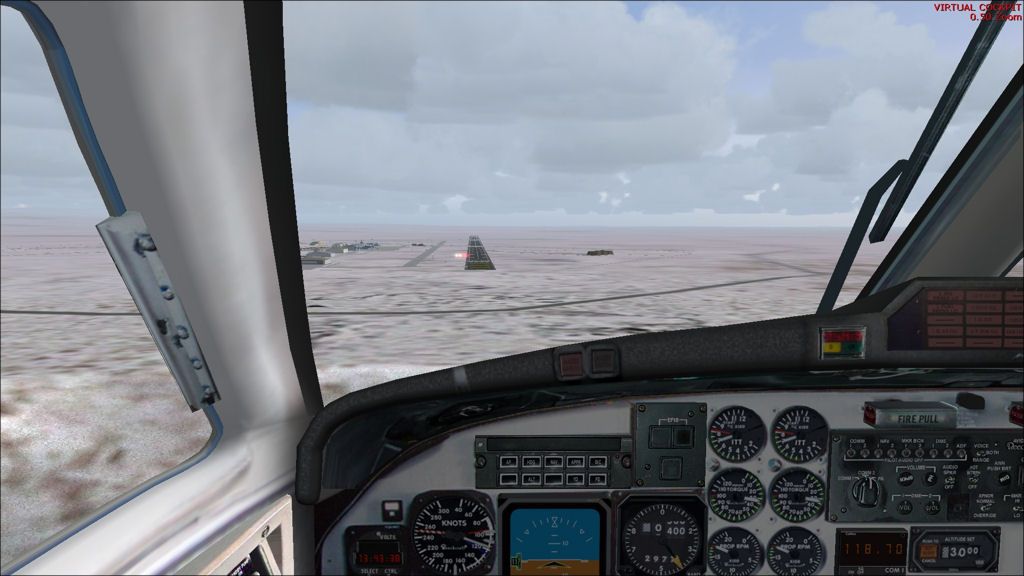
As the temperature cooled into the evening at Puerto Montt, the visibility had dropped very quickly to 250m as fog rolled in.  Thankfully we had made it in before this otherwise it would have been below our landing limits.  It does mean we need to select a departure alternate so Balmaceda Airport is used as we have already passed over it and seen the weather forecast to be good.

Foggy conditions.

IFR departure from Puerto Montt.

About to start descent into Santiago.

Final approach to Santiago.

SCTE - SCEL stats

Takeoff time:   1724
Landing time:   1939
Flight time:       02:15
Fuel used:        996kgs / 2191lbs

Punta Arenas to Puerto Montt

DAY 16, LEG 77 - Punta Arenas to Puerto Montt

Our journey to Santiago is well underway now and this leg provides a refuel stop in Puerto Montt, approximately 2 hours flying time south of Chile's capital.  Puerto Montt's El Tepual airport is a small airport located slightly north of the city but it's proximity to the coastline makes is vulnerable to fog.  The forecast is for fog to move in during our arrival so a prompt departure from Punta Arenas will give us the best chances of a landing, since the B1900D does not have a landing capability of lower than CAT 1.

Climb out from Punta Arenas.


Cloud beginning to clear as we approach Cardiel Lake.

Turning overhead Balmaceda airport.

Scattered cloud over the west coast of Chile.

Final approach to Puerto Montt.  Thankfully the fog has yet to move in.

Parked at Puerto Montt as the sun sets and the cooling temperature sends the fog in!

SCCI - SCTE stats

Takeoff time:    1402
Landing time:    1705
Flight time:       03:03
Fuel used:         1228kgs / 2702lbs (slightly higher than expected due to stronger than forecast headwinds).

Ushuaia to Punta Arenas

DAY 16, LEG 76 - Ushuaia to Punta Arenas

Our departure from Ushuaia is to be one of the more unusual ones on the trip.  Just north of Ushuaia International Airport is Ushuaia Naval Base, with a north/south facing runway. Despite it's name the naval base is also used for general aviation and has a runway long enough to allow a touch-and-go by our Beech 1900d.  Extra fuel is loaded to allow this small diversion.  On this leg we head into the last South American country on our trip, Chile as we make our way up to the capital, Santiago.  Like Ushuaia for Argentina, Punta Arenas is a vital city for logistics in Antarctica both by air and sea thanks to it's location on the Strait of Magellan.

Pushing back from stand as a PA28 lines up on a final approach to Ushuaia Naval Base.

Takeoff from Ushuaia.

Final to the naval base.

On final approach to the naval base, some unexpected turbulence caused by the surrounding hilly terrain destabilised the aircraft so we performed a go-around to be on the safe side!

Climbing out over the city.

Leaving Ushuaia and Argentina behind.

After a short flight we are on final to Punta Arenas.

Welcome to Chile!  Parked at Punta Arenas.

SAWH - SCCI stats

Takeoff time:   1256
Landing time:   1344
Flight time:       0:48
Fuel used:       356kgs / 783lbs

Rothera to Ushuaia

DAY 16, LEG 75 - Rothera to Ushuaia

As it started to snow, it was only to be a brief stop in Antarctica to avoid having to de-ice too thoroughly.  Thankfully at these latitudes, the snow is very dry and can easily be brushed off the surfaces so the light snowfall on arrival was no problem.  There is an engineering slot in Santiago, Chile, booked for day 17 in which the aircraft will be serviced before the Pacific crossing.  It is imperative that we make that slot so delays cannot be accepted easily.  We head from Rothera to the most southerly city in the world, Ushuaia in Argentina.  It is twinned with Barrow, Alaska, the most northerly city in the world.

Ready to taxi out at Rothera.

Takeoff.

Sunrise over Antarctica.

Approaching the South American continent once again.

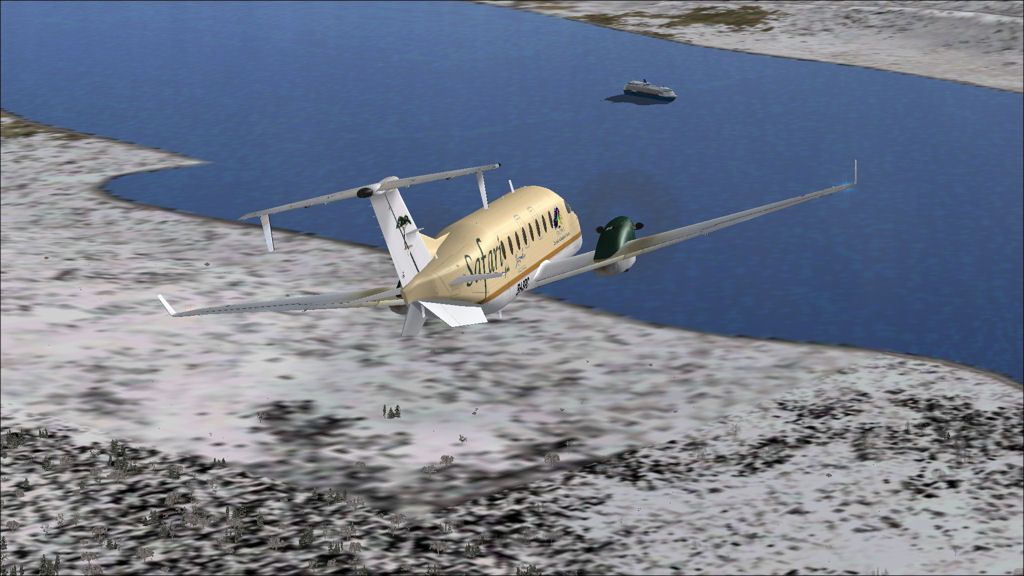
A passenger ship in the Beagle Channel.

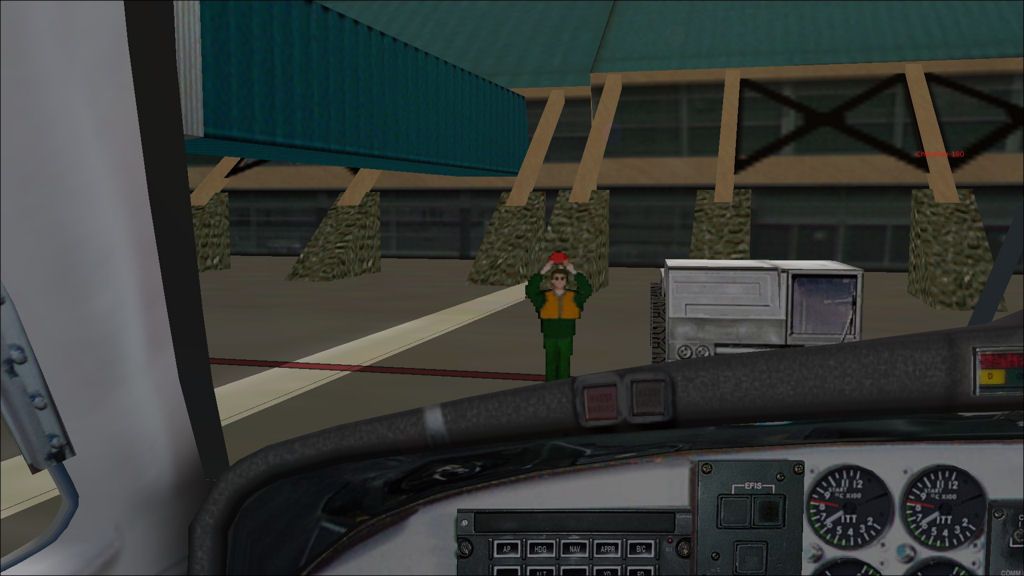
Being marshalled onto stand.

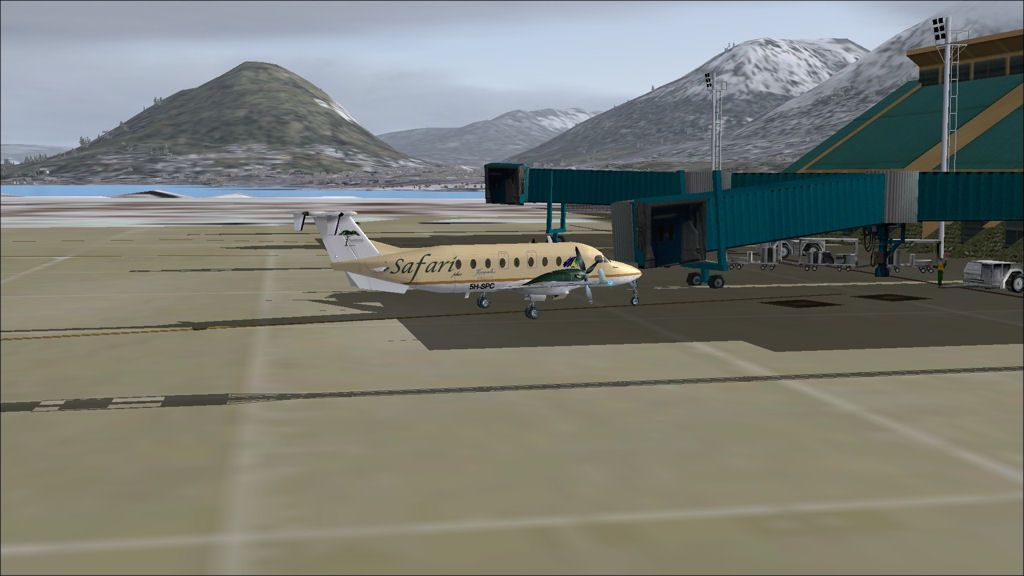
Parked on stand at Ushuaia.

AAXX - SAWH stats

Takeoff time:  0949
Landing time:  1244
Flight time:     02:55
Fuel used:      1136kgs / 2500lbs